
Online care
How online doctor consultations work in South Africa
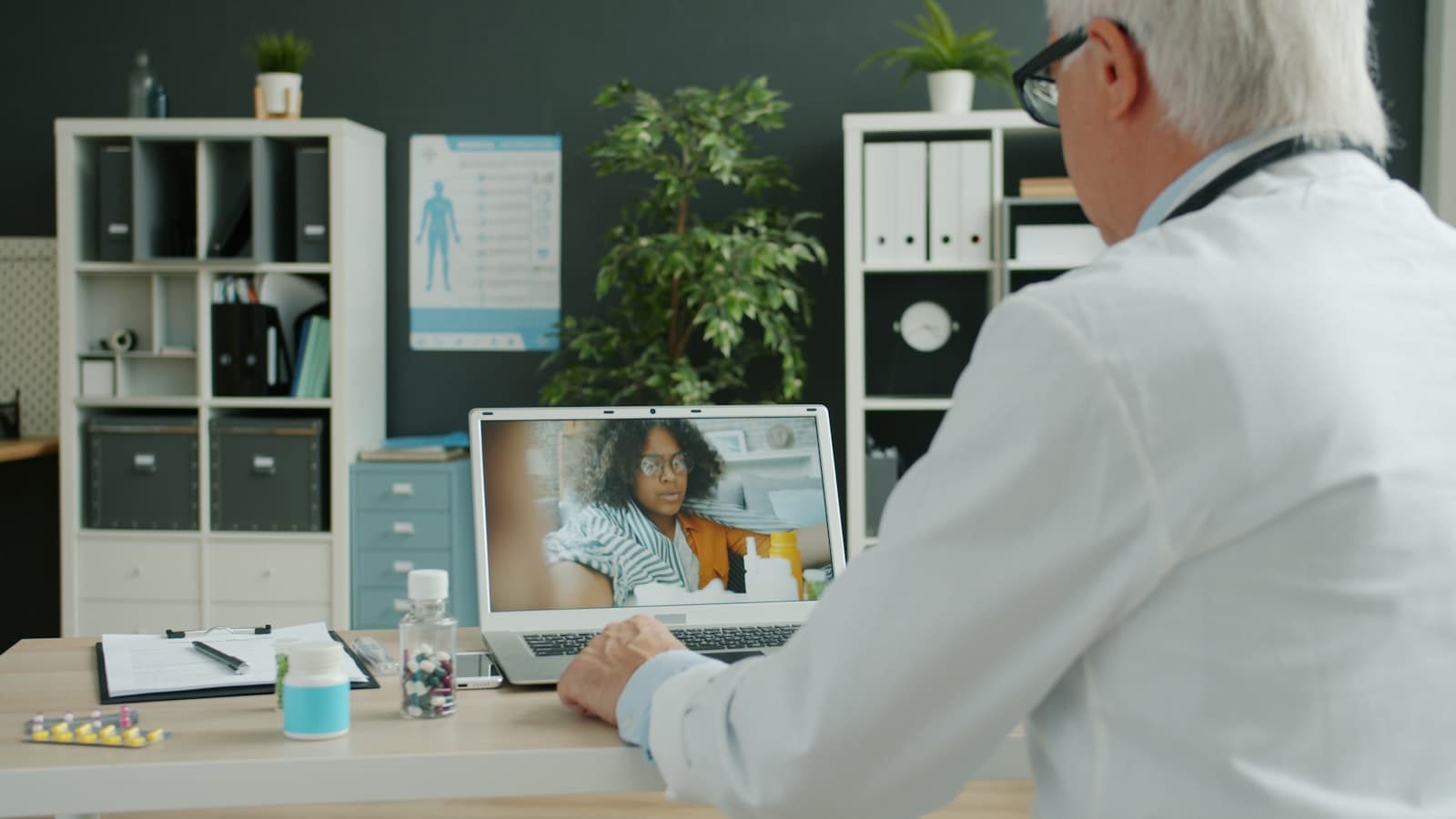
An online GP appointment is a real clinical consultation conducted by video. The setting changes, but the doctor still needs enough information to make a safe decision. Some problems can be managed remotely. Others need an examination, a test or urgent in-person care.
Updated 20 September 2026 · 5 minute read
Before the call
You choose the next available appointment or book a time. The booking form collects basic contact details, your reason for consulting and the consent needed for telehealth. Keep a list of current medicines, allergies and recent readings nearby if they are relevant.
A private room, a charged phone and a stable connection are usually enough. You do not need to install an app for a hiDoc call.
During the consultation
The GP asks about your symptoms, medical history and medication. Video can help with some visible signs, but it cannot replace every physical examination. If the doctor cannot assess the problem safely online, they should say so and recommend the appropriate next step.
Do not expect a prescription or medical certificate simply because you booked. Those documents follow a clinical decision; they are not products sold separately from an assessment.
After the call
hiDoc sends the consultation invoice after the appointment. Once verified payment clears, any document issued by the doctor appears in your private records area. This can include a prescription, medical certificate, referral or consultation summary.
Keep the record and follow the doctor’s instructions. If symptoms worsen, seek further care rather than waiting for an online follow-up.
When online care is the wrong route
Telehealth is not an emergency service. Chest pain, serious breathing difficulty, signs of stroke, severe bleeding, major injury or a rapidly deteriorating condition need emergency assessment. Call 10177 or go to the nearest emergency department.